

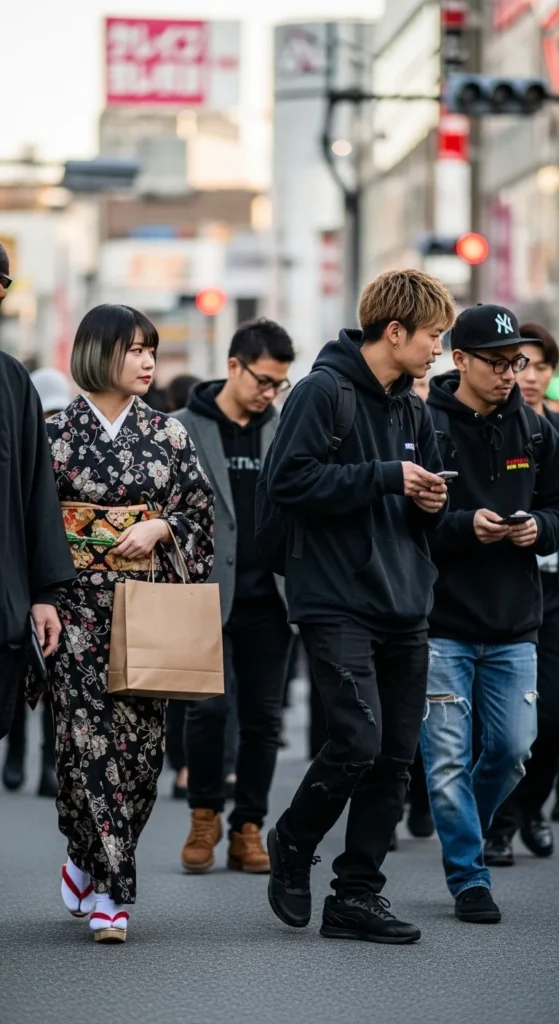
Japanese outfits bring together tradition, street style, and everyday comfort in a way that feels wearable and expressive. From kimono-inspired layers to relaxed Tokyo street fashion, these looks are easy to adapt without spending much. Many current trends focus on layering, oversized fits, and mixing old with new, which makes styling flexible and budget-friendly . Below is a numbered list of outfit ideas you can recreate easily.
1. Kimono Jacket with Jeans
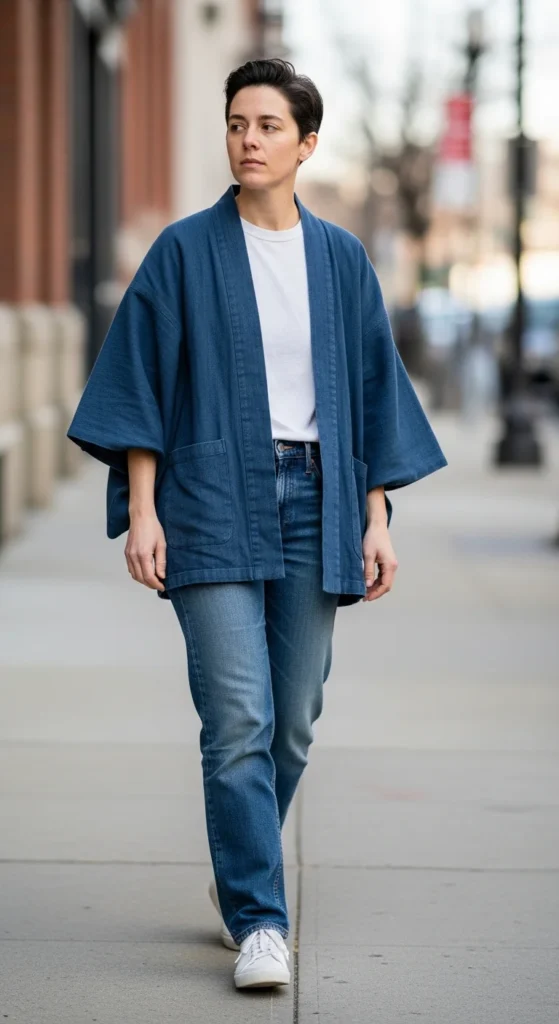
A kimono jacket is one of the easiest ways to try Japanese fashion. It feels relaxed and works with basics you already own. Start with a simple T-shirt and your favorite jeans. Then layer a lightweight kimono-style jacket on top.
Look for second-hand pieces or thrift stores. You can even DIY one using a loose robe. Just remove the belt and keep it open. This keeps the look casual and wearable.
Stick to neutral colors if you want something subtle. Or try bold prints for a stronger style statement. Both options work.
Footwear matters. Pair with sneakers for daily wear. Or try sandals for a softer vibe.
Budget tip: Use a long scarf as a belt to mimic an obi look.
2. Yukata-Inspired Summer Look
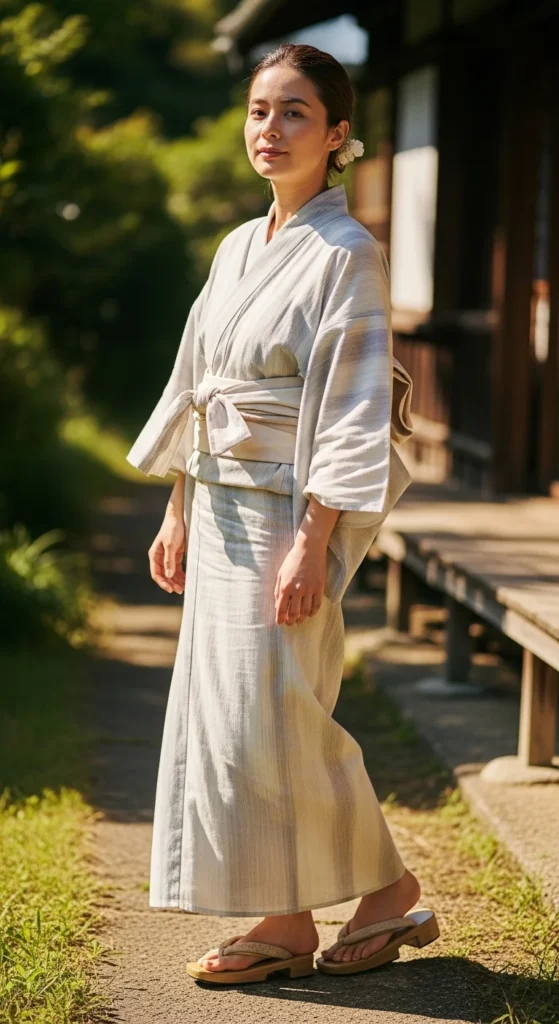
A yukata-inspired outfit is perfect for warm weather. It’s light, breathable, and easy to style. You don’t need a real yukata to get the look.
Start with a loose cotton robe or wrap dress. Choose soft prints or stripes. Tie it with a belt or fabric sash.
Keep layers minimal. This style works best when it feels airy. Pair with flat sandals or slip-ons.
Hair can stay natural. A simple bun or loose hair fits well.
DIY idea: Use a long shirt dress and wrap it slightly to mimic a yukata shape.
3. Oversized Streetwear Combo
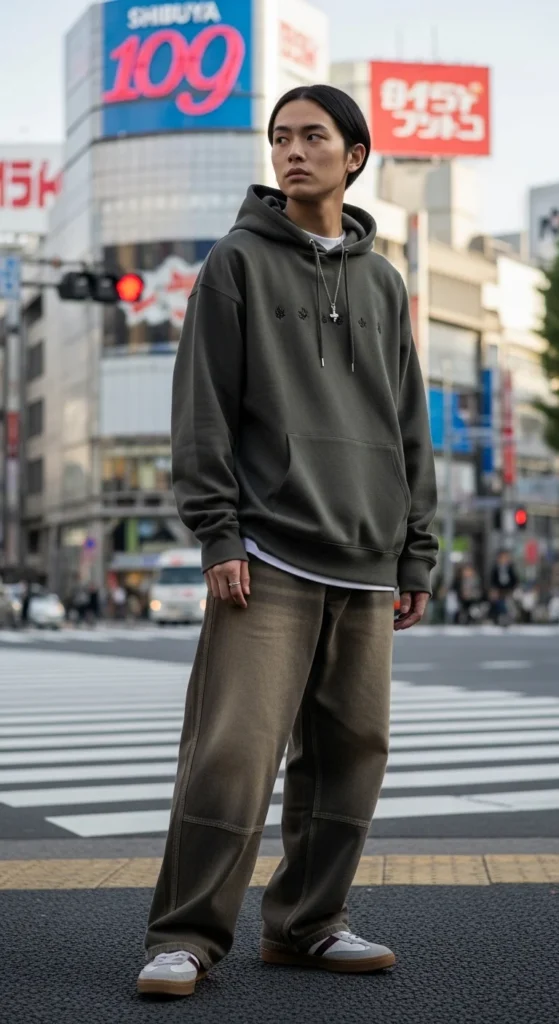
Oversized outfits are a big part of Japanese street fashion. They feel comfortable and stylish without trying too hard.
Start with a loose hoodie or oversized shirt. Pair it with wide-leg pants. Keep colors simple like black, grey, or beige.
Balance matters. If the top is very loose, keep the bottom structured but still relaxed.
Sneakers are the easiest choice here. Go for clean designs.
Budget tip: Shop one or two sizes up instead of buying new oversized pieces.
4. Layered Neutral Tones
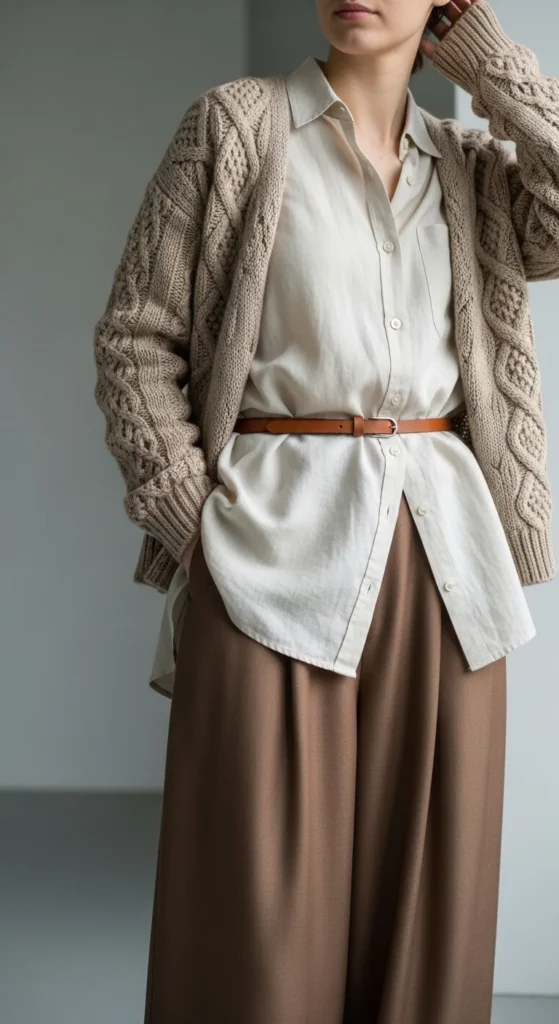
Layering neutral tones creates a calm and polished look. It’s simple but still interesting.
Start with a base like a beige shirt. Add a cardigan or light jacket in a similar shade. Then include wide pants.
Keep the palette consistent. Stick to cream, brown, grey, or soft white.
Textures make the outfit stand out. Mix cotton, linen, and knit fabrics.
5. Hakama-Inspired Wide Pants Outfit
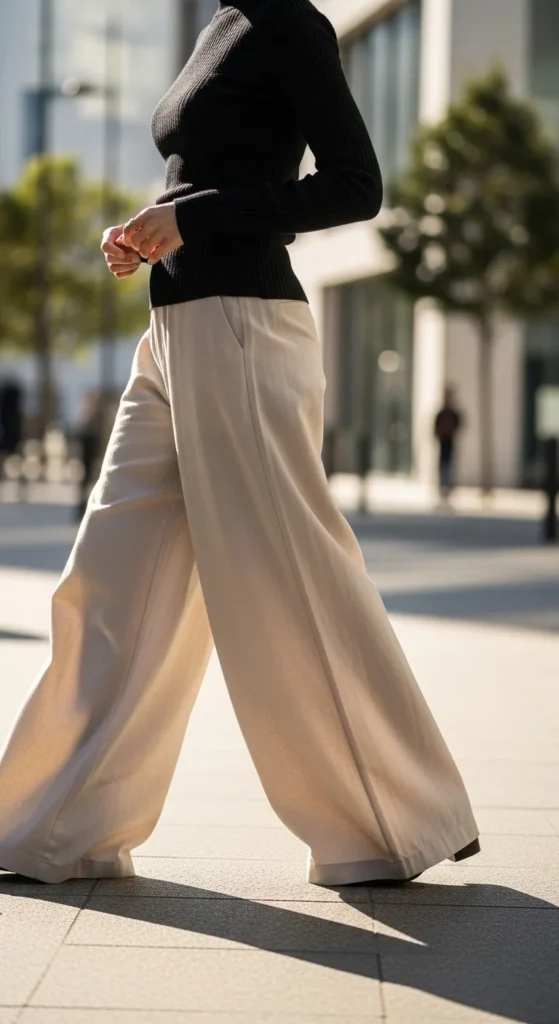
Hakama-style pants are wide and flowy. They create movement and comfort.
You can recreate this look with culottes or palazzo pants. Pair them with a fitted top to balance the shape.
Keep colors simple. Black or navy works well.
Add a belt to define your waist.
6. Minimalist Monochrome Outfit
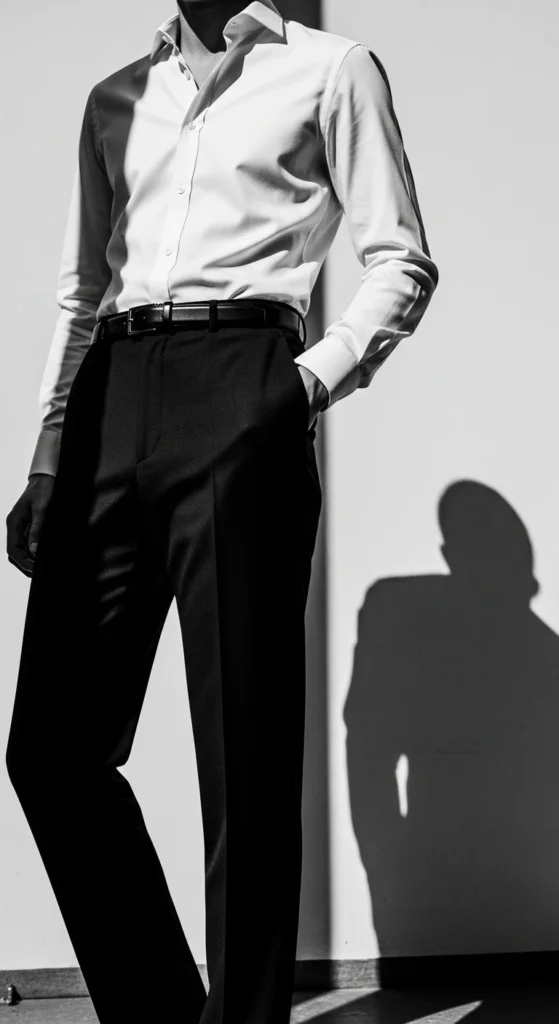
Monochrome outfits are easy and effective. Pick one color and build around it.
Black is the most common choice. Start with black pants and a black top. Add a layer like a jacket.
Mix textures so it doesn’t feel flat. Try denim with cotton or knit.
7. Harajuku-Inspired Casual Mix
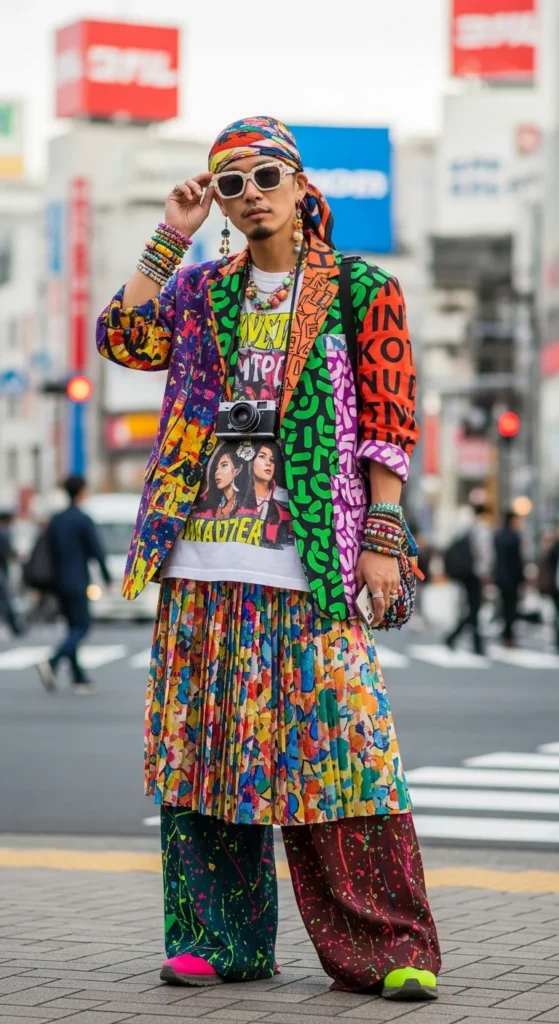
Harajuku style is playful and expressive. But you can tone it down for everyday wear.
Start with one bold piece. Maybe a printed shirt or colorful jacket.
Keep the rest simple. Neutral pants help balance the look.
8. Linen Shirt and Relaxed Trousers
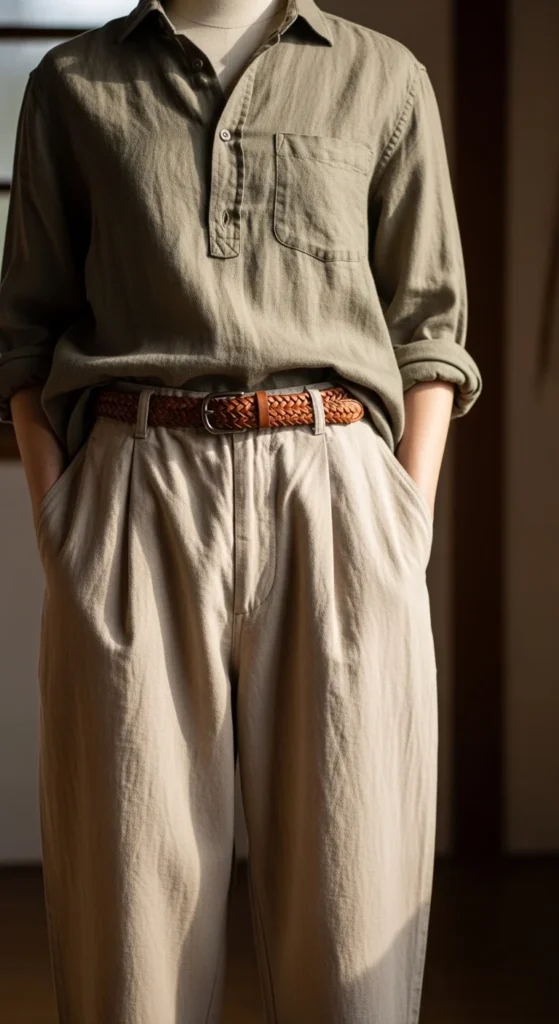
This look is simple and breathable. Perfect for daily wear.
Choose a loose linen shirt. Pair it with relaxed trousers.
Keep colors light. White, beige, or soft blue works well.
9. Denim Meets Kimono Style
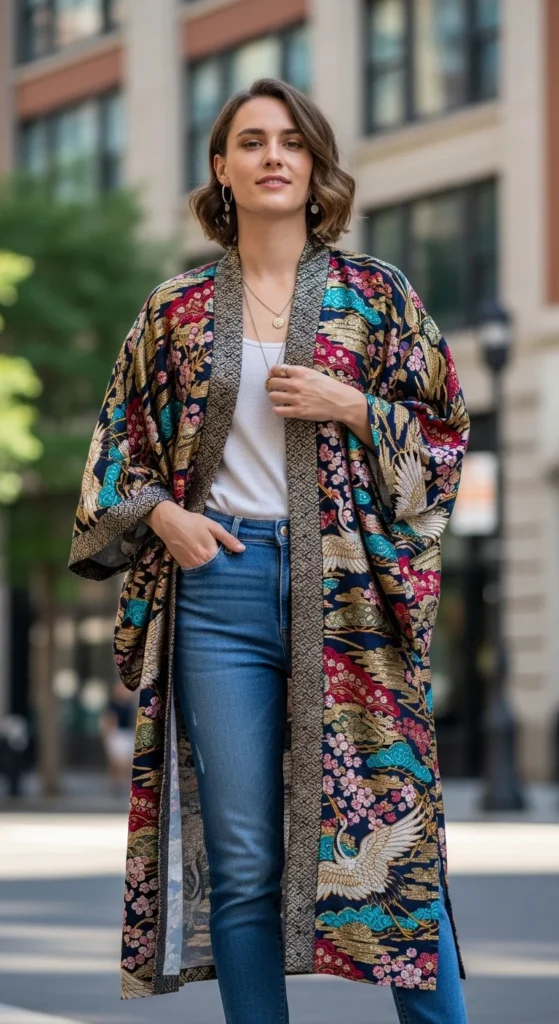
Denim pairs well with traditional-inspired layers.
Wear your favorite jeans. Add a kimono-style jacket.
Keep the top simple. A plain tee works best.
10. Simple Obi Belt Styling
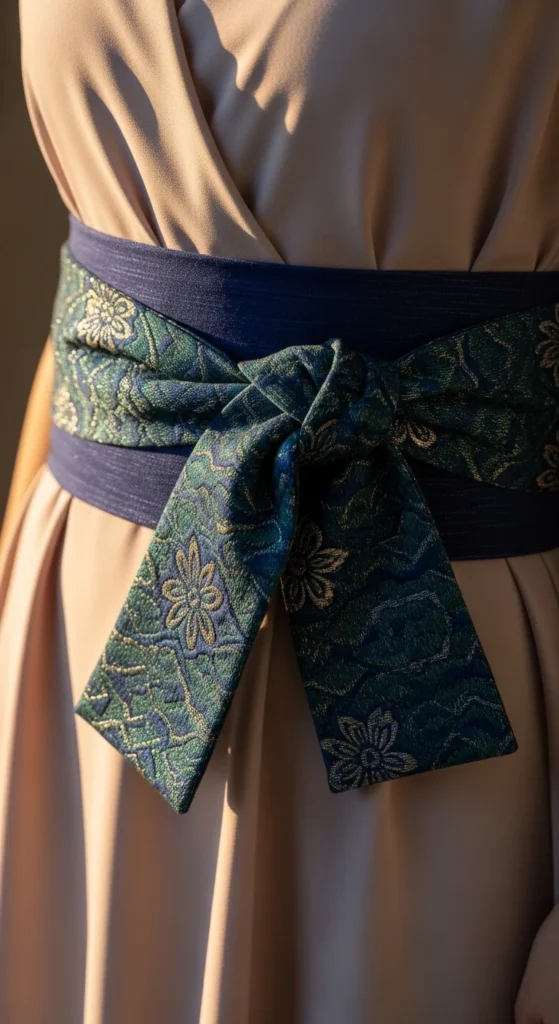
An obi-style belt adds structure to outfits.
You don’t need a real one. Use a wide scarf or fabric belt.
Wrap it around your waist over a dress or long shirt.
11. Soft Layered Cardigan Look
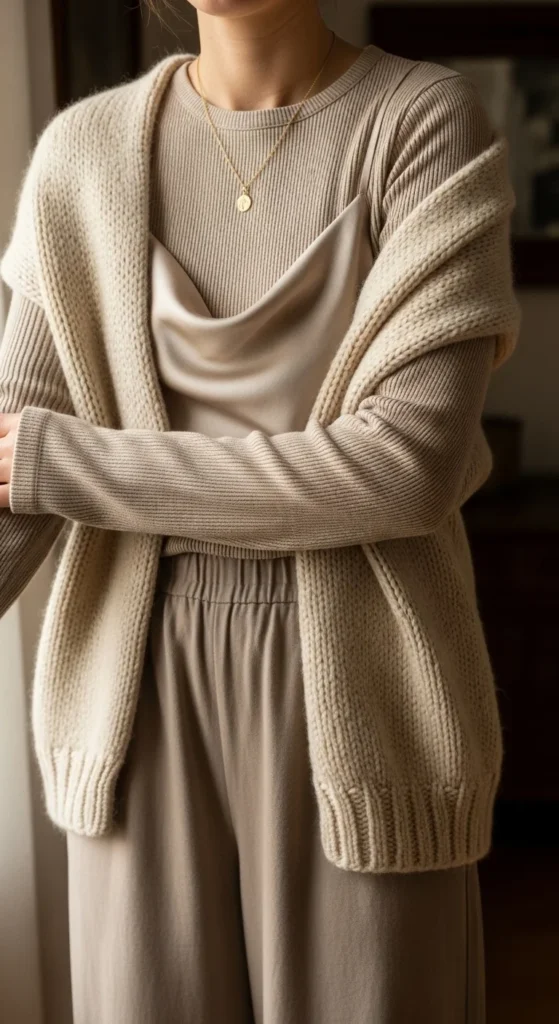
Cardigans are easy layering pieces.
Wear one over a simple shirt. Pair with relaxed pants.
Choose soft colors like grey or cream.
12. Street Style with Sneakers and Layers
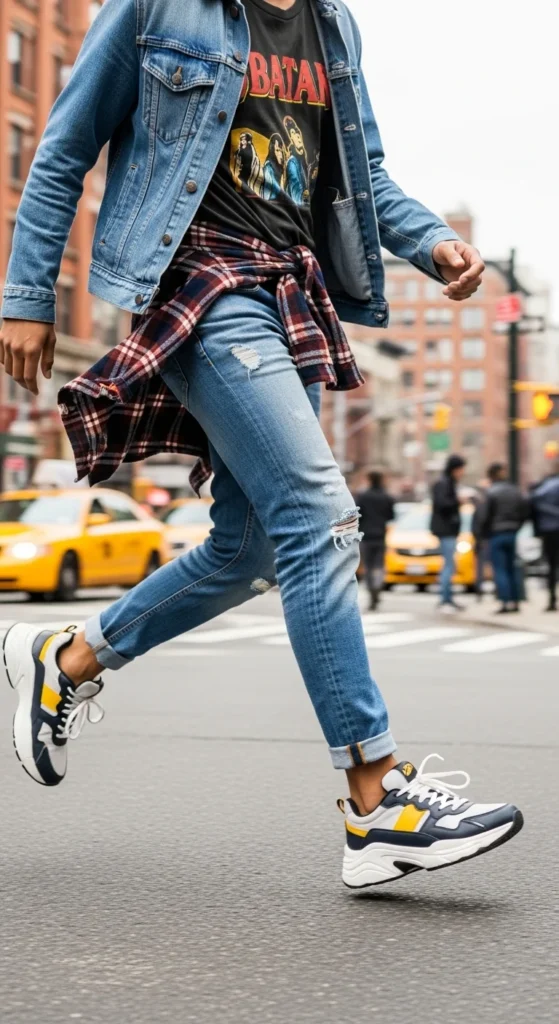
Layering is key in street style.
Start with a base tee. Add a shirt, then a jacket.
Keep layers light so it’s comfortable.
13. Modern Gyaru Casual Look
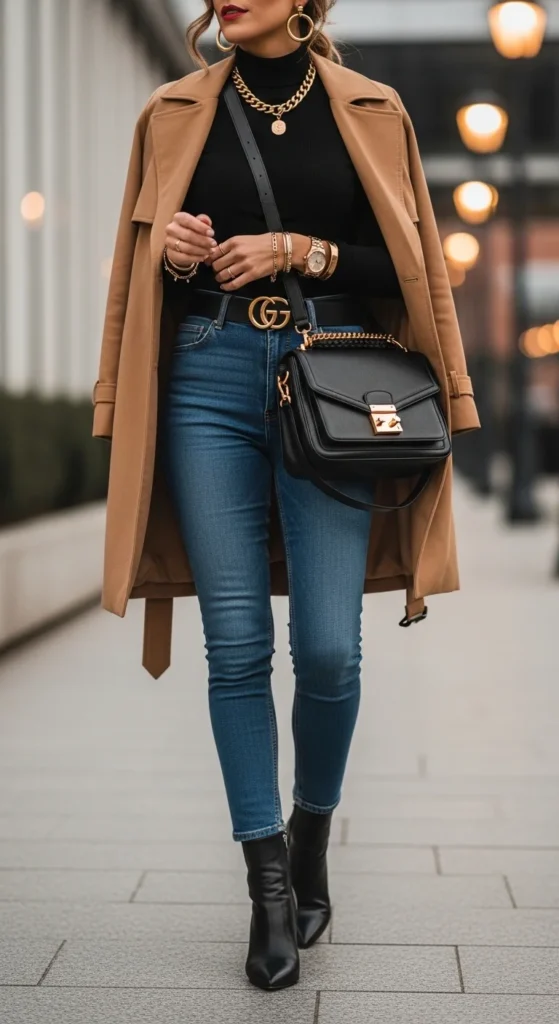
Gyaru style can be toned down for everyday wear.
Start with fitted jeans and a trendy top.
Add small bold touches like earrings.
14. Loose Shirt Dress Styling
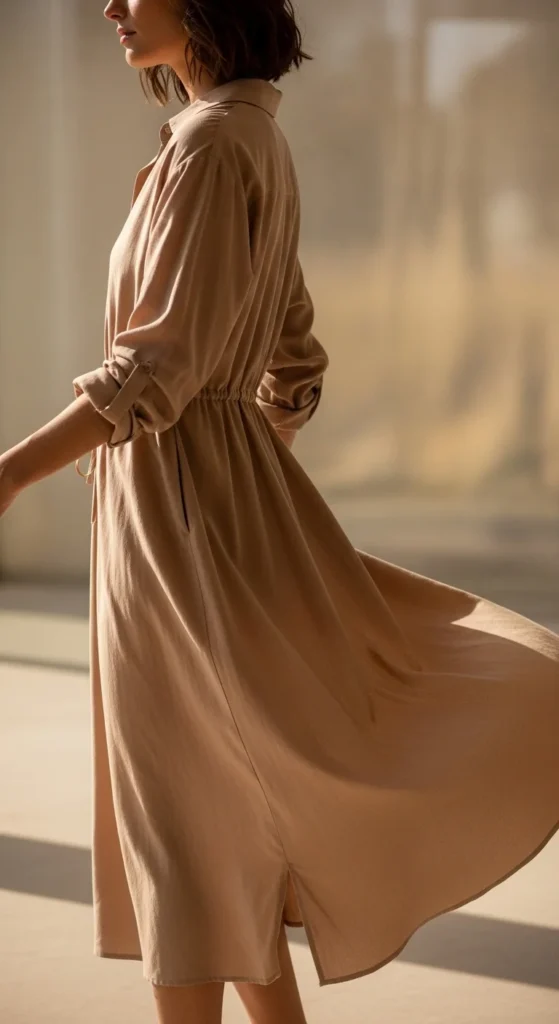
A shirt dress is versatile.
Wear it loose or add a belt.
Layer with a light jacket.
15. Neutral Hoodie and Wide Pants
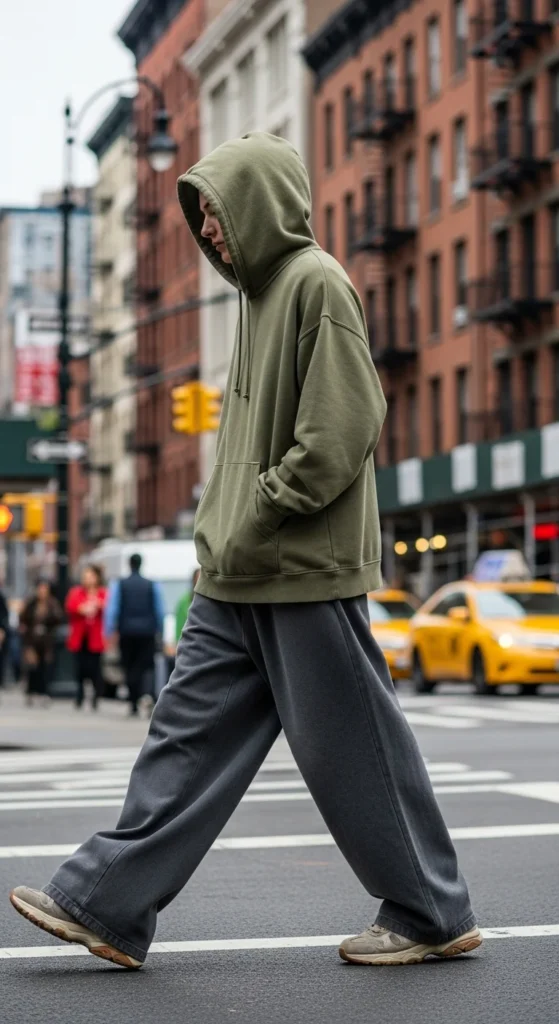
This is a go-to casual outfit.
Pair a hoodie with wide pants.
Keep colors neutral.
16. Pattern Mixing Street Style
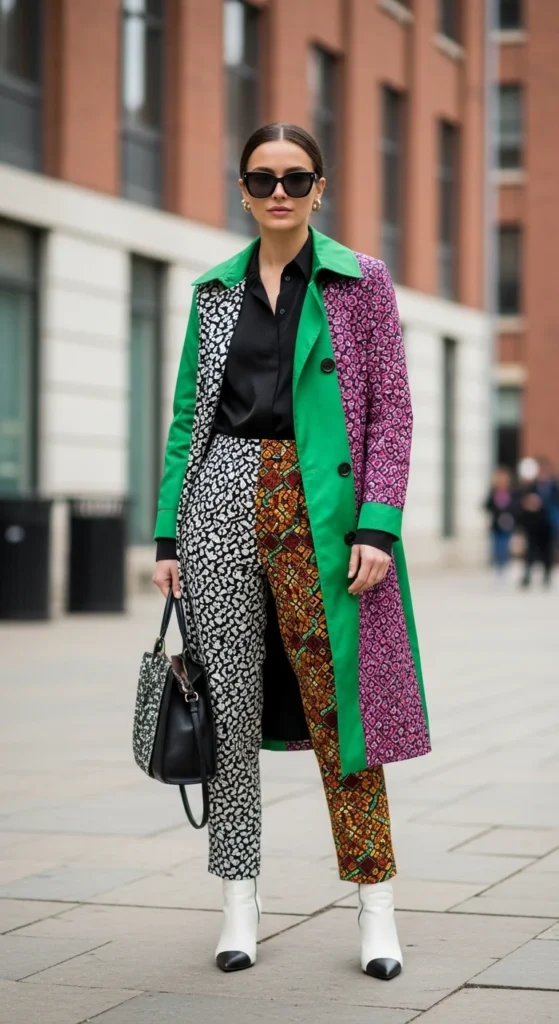
Mixing patterns adds personality.
Start small. Combine stripes with subtle prints.
Keep colors connected.
17. Lightweight Trench Layering
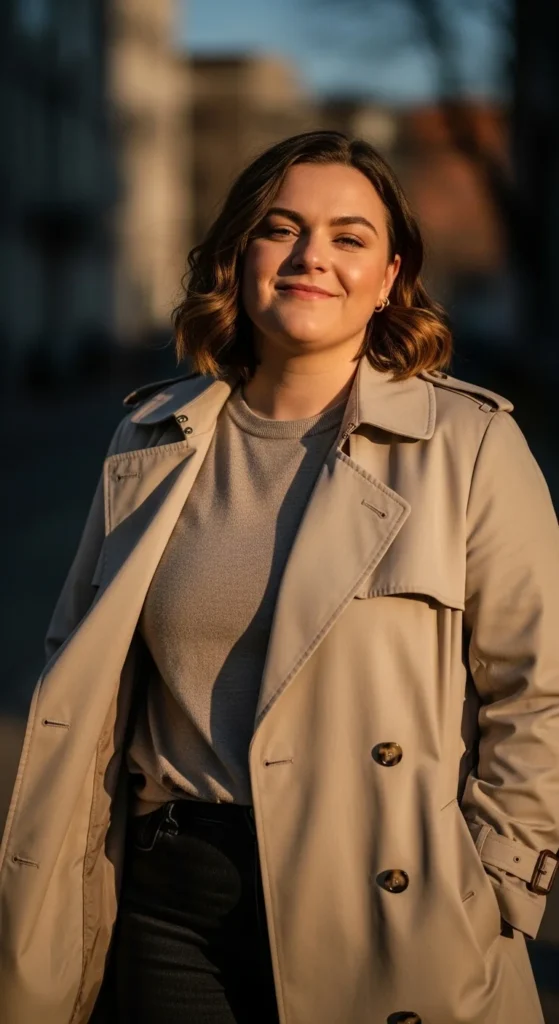
A trench coat adds structure.
Wear it over casual clothes.
Keep it light for daily use.
18. Cropped Jacket and High Waist Pants
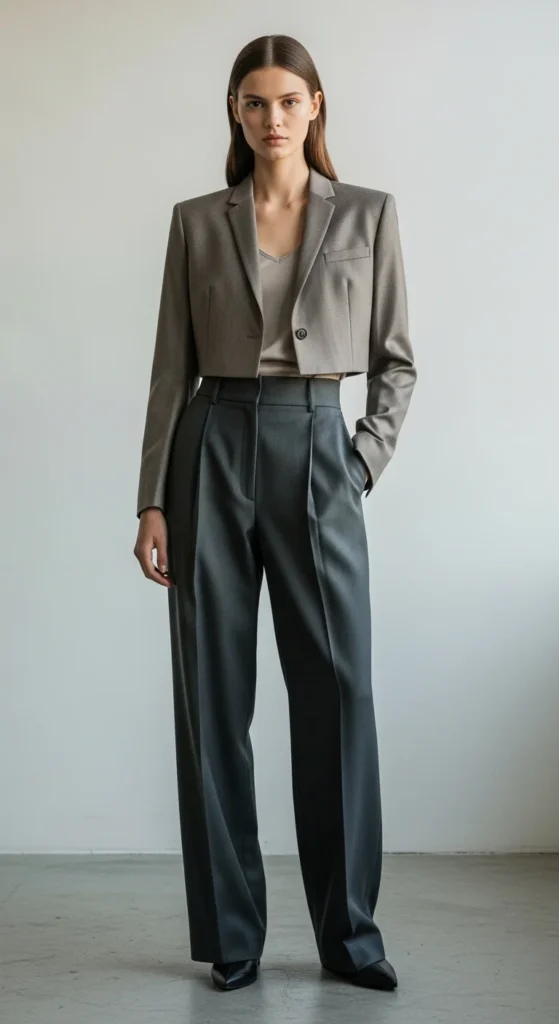
This combo creates shape.
Pair a short jacket with high-waist pants.
Keep colors simple.
19. Soft Pastel Outfit
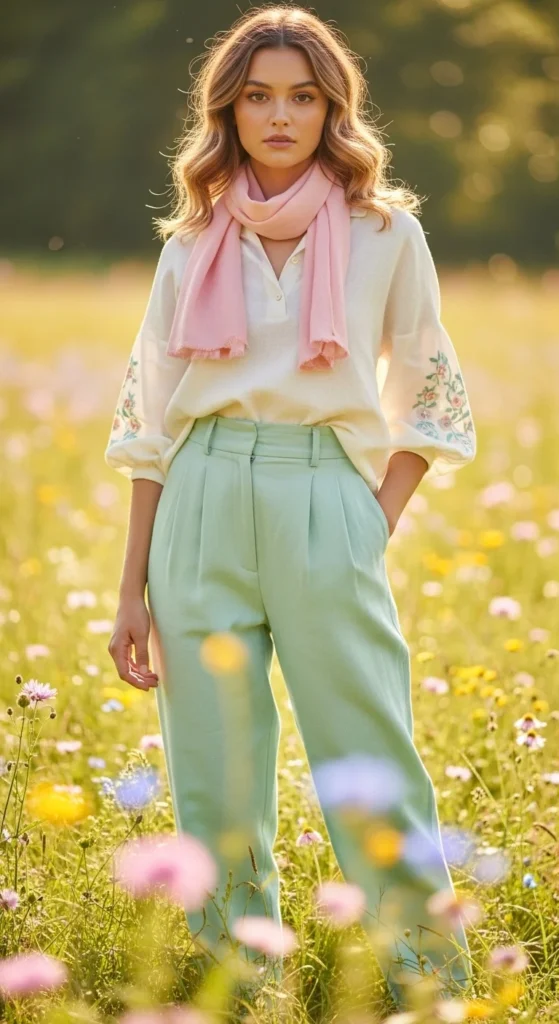
Pastels create a gentle look.
Mix soft pink, blue, or beige.
Keep fabrics light.
20. Minimal Workwear Japanese Style
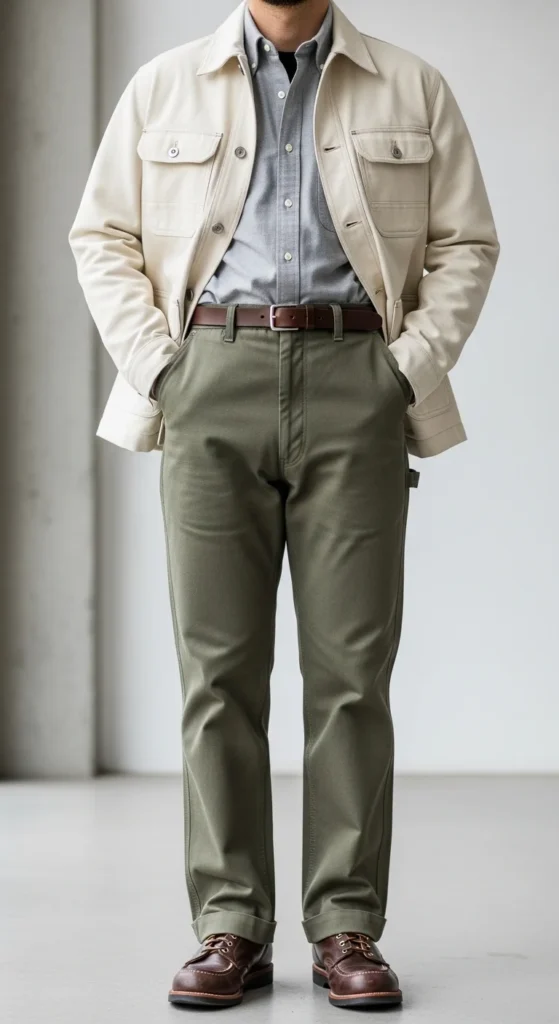
Workwear can feel stylish and simple.
Wear structured pants and a plain shirt.
Add a light jacket.
21. Layered Scarf Styling
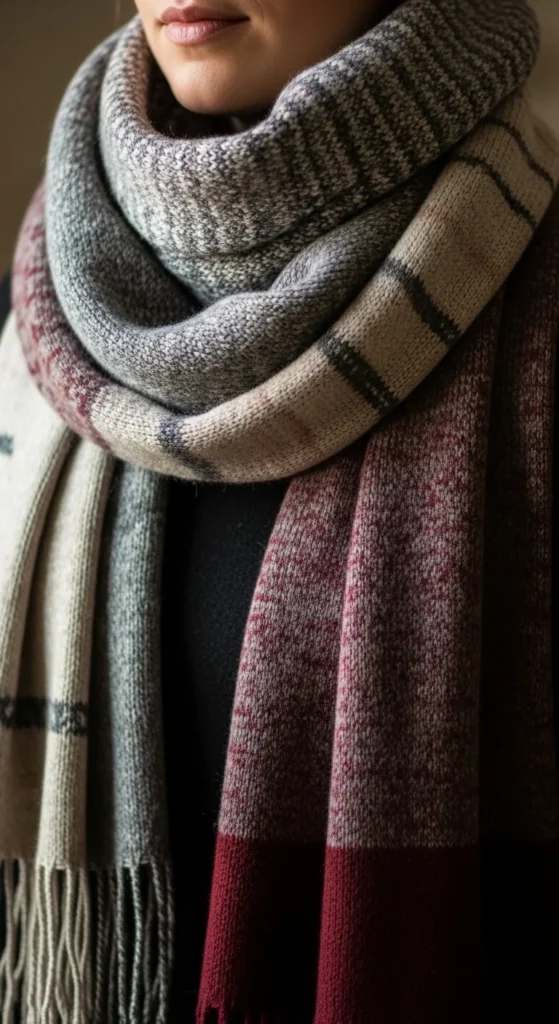
Scarves add depth.
Layer one over a simple outfit.
Use it as a belt or neck piece.
22. Casual Mori Kei Inspired Look
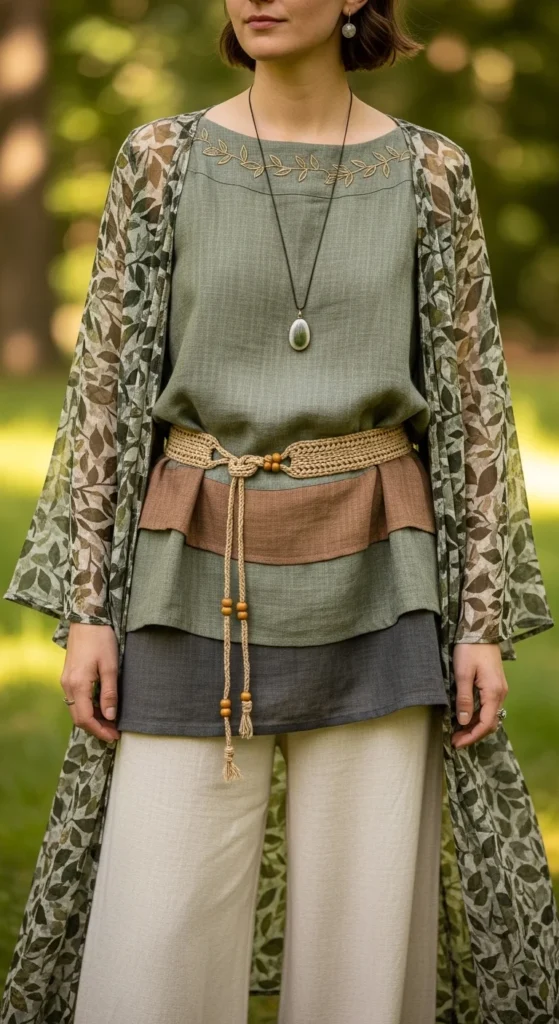
Mori Kei style feels natural.
Use earthy tones and soft layers.
Add loose dresses or skirts.
23. Denim on Denim Japanese Style
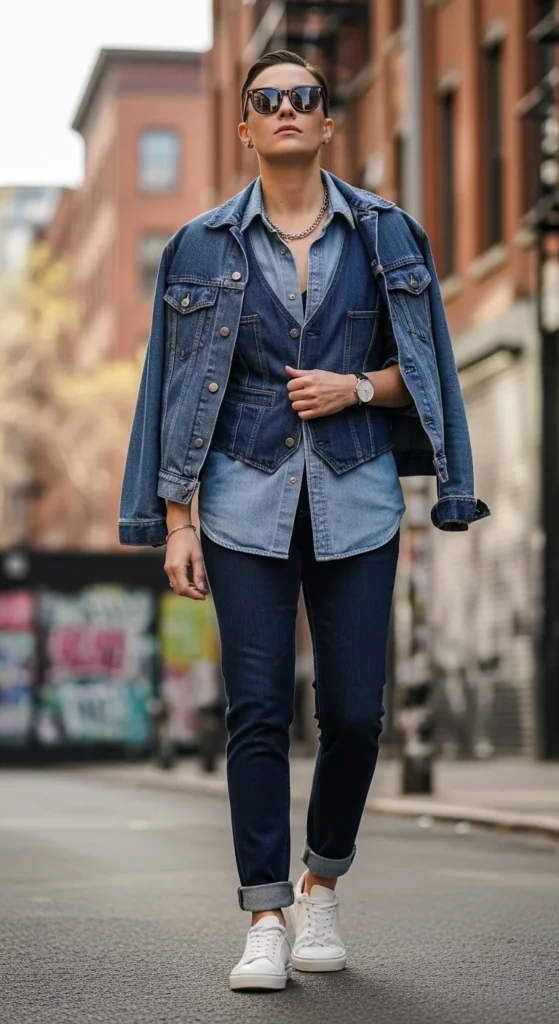
Denim layers can work well.
Mix different shades.
Add a simple tee.
24. Relaxed Blazer Outfit
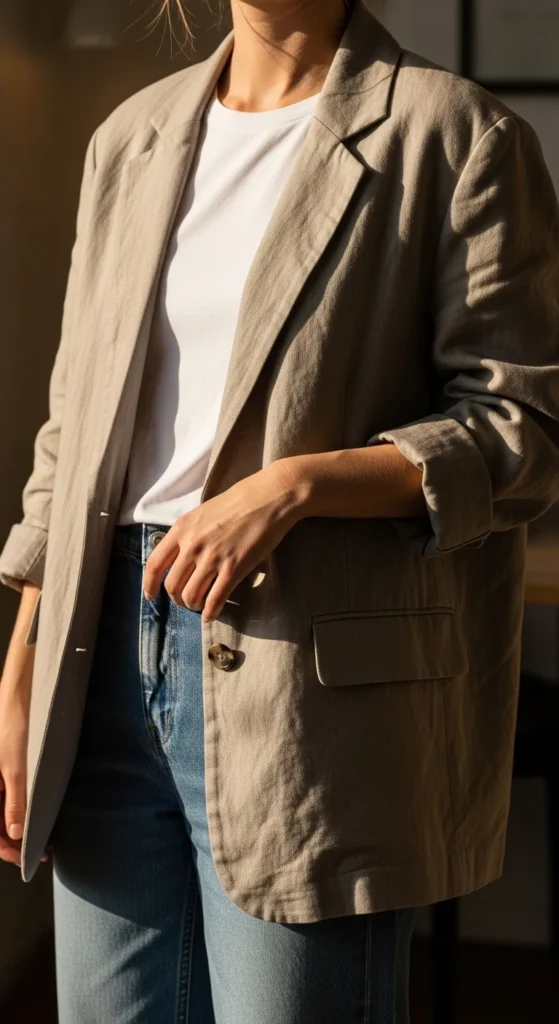
Blazers don’t have to feel formal.
Wear one over a T-shirt.
Pair with loose pants.
25. Simple Festival-Inspired Outfit
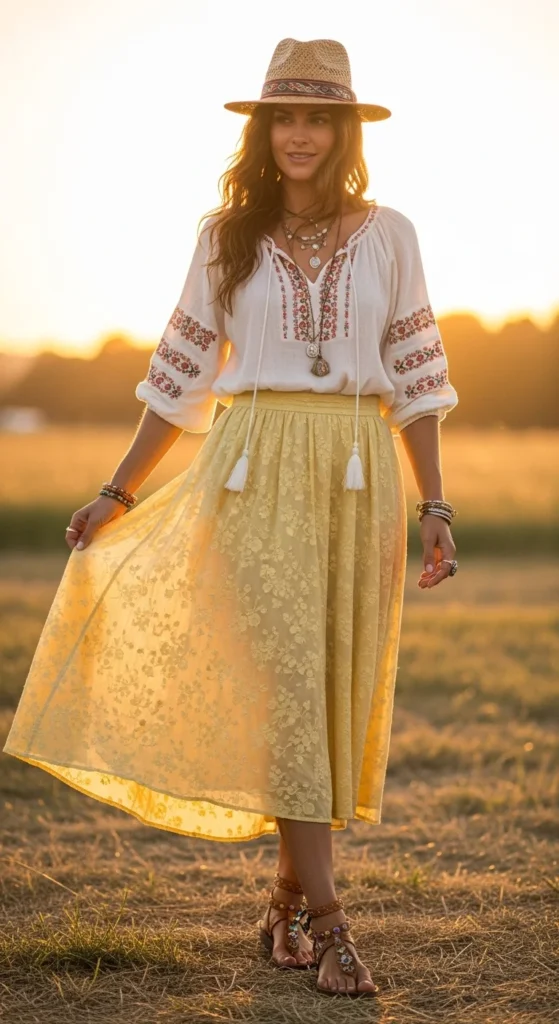
Festival looks can be simple.
Use light fabrics and loose shapes.
Add sandals.
Conclusion
Japanese outfits are all about comfort, layering, and creativity. You don’t need expensive pieces to try these styles. Start small, mix what you already own, and build outfits step by step.

Leave a Reply